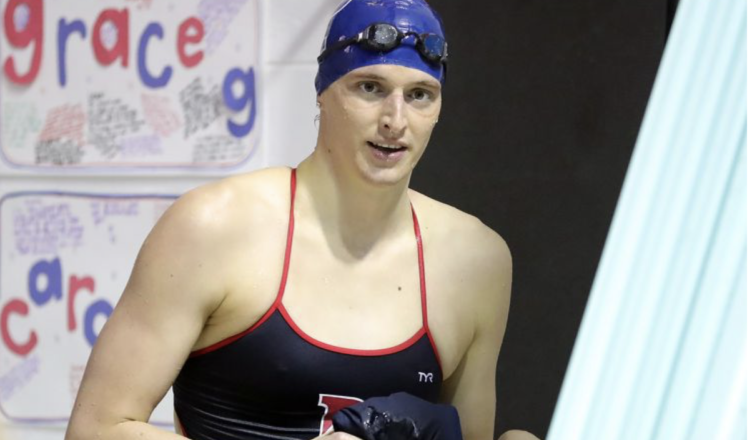
Thomas argued that the regulation’s prohibition on her participation in elite tournaments renders it “invalid and unlawful”.
Multiple reports state that transgender swimmer Lia Thomas failed in her bid to overturn a World Aquatics guideline that prohibited her from competing in top swimming events.
The Court of Arbitration for Sport (CAS) denied the 25-year-old swimmer’s bid to challenge the regulation that would go into effect in 2022 in a decision that USA Today Sports and The Guardian obtained and made public on Wednesday, June 12.
The U.S. Olympic Swimming Trials and the Summer Olympics are out of the question for Thomas, who made history in 2022 as the first transgender athlete to win an NCAA D1 title in any sport, according to the CAS panel. World Aquatics and USA Swimming prohibit her from participating in their elite tournaments.
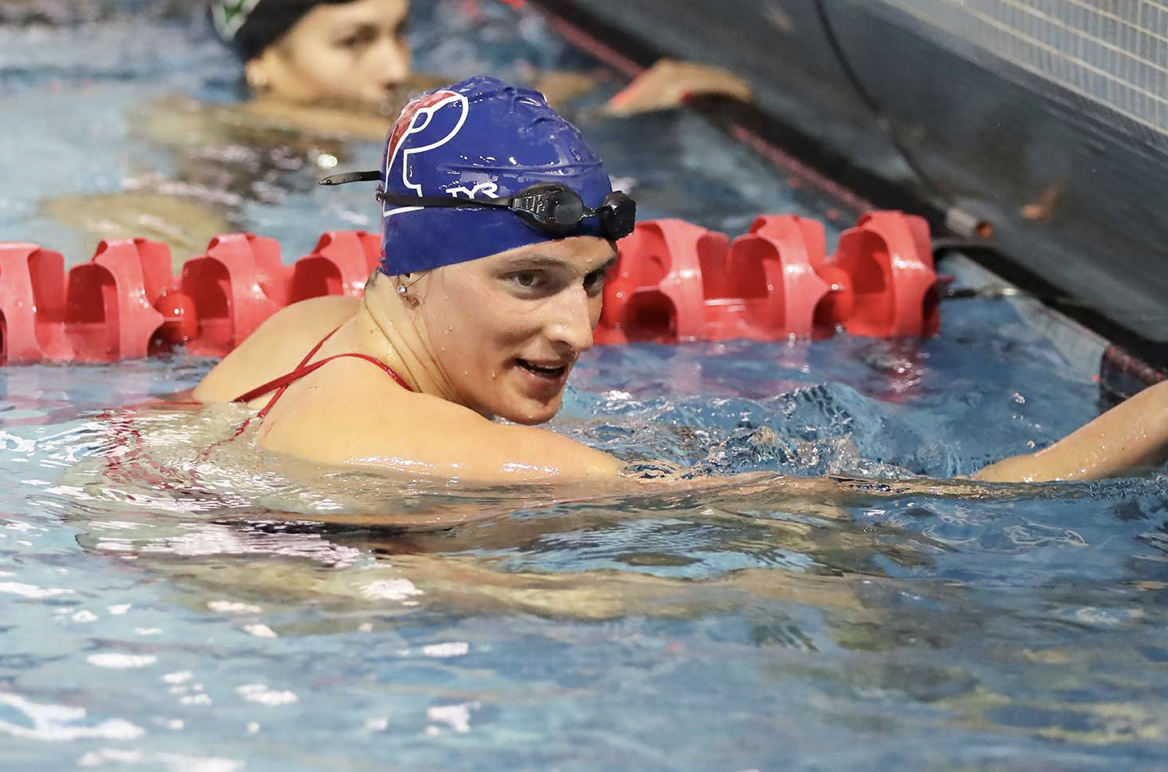
Swimming’s governing body has implemented a regulation that forbids competitors who have experienced “any part of male puberty” from participating in the female division. This was reported by the Guardian. Instead, the federation created an “open” category that would let athletes who identify as transgender participate.
The Guardian reported that Thomas argued for the declaration of the regulation as “invalid and unlawful,” citing its violation of the World Aquatics Convention.
Both sources report that the panel decided Thomas lacked standing to contest the policy, so the rule will stay in place.
According to USA Today, States World Aquatics “dedicates to fostering an environment that promotes fairness, respect, and equal opportunities for athletes of all genders.”
“We regularly assess our rules and procedures to make sure they are consistent with these fundamental principles, which is how our open category came to be. We are sure that our gender inclusion policy represents a fair approach, and we are committed to working together with all stakeholders to promote the principles of inclusivity in aquatic sports,” the federation stated, according to the publication.
According to the site, World Aquatics hailed the ruling as “a major step forward in our efforts to protect women’s sport.”
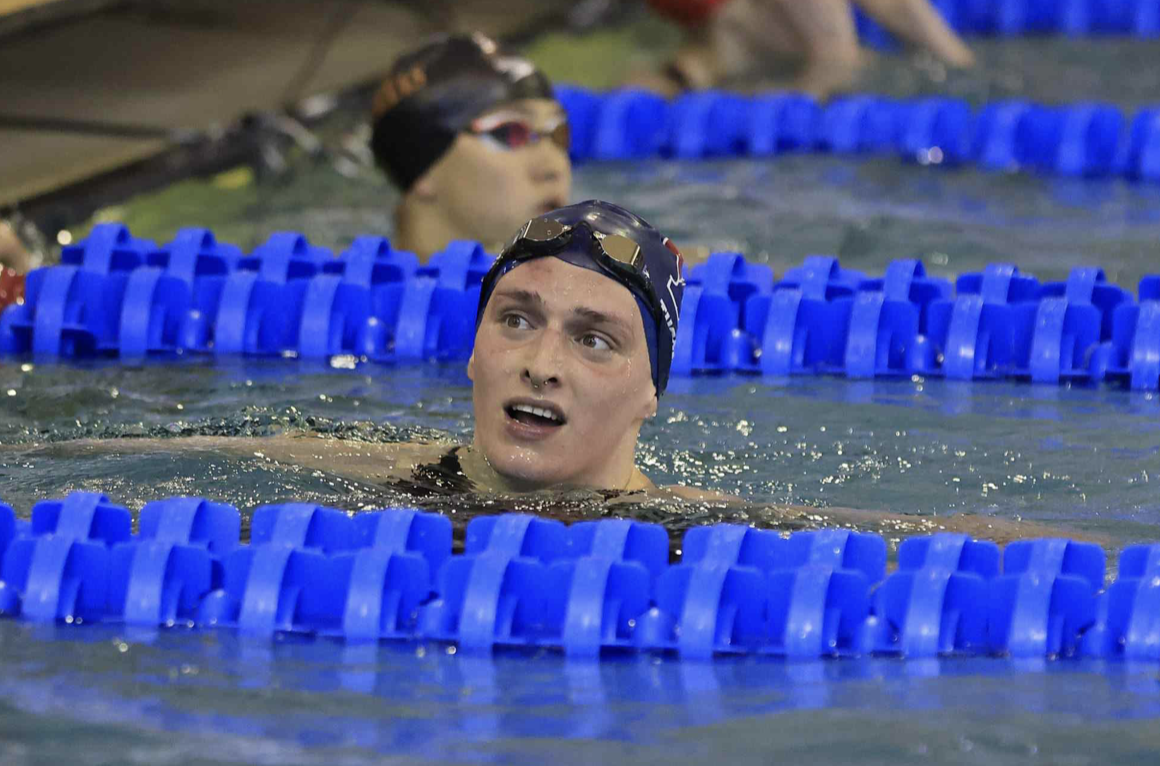
In a 2022 Sports Illustrated interview, Thomas stated that she started hormone replacement medication in May 2019 and that this forced her to adapt to her shifting body as she started the process of moving to the women’s squad.
Due to the COVID-19 pandemic’s effects on collegiate athletics, Thomas took a year off before returning to the University of Pennsylvania women’s team in late summer 2021. 16 team members expressed their opinion in an anonymous open letter sent in February 2022 that Thomas shouldn’t be permitted to compete. Over 300 swimmers and divers from the NCAA, the USA, and around the world responded by signing a letter endorsing Thomas’s selection on the women’s squad, according to SI.
Pennsylvania introduced the “Save Women’s Sports Act,” or HB 972, in 2022, requiring students to play on a team that matched their assigned sex at birth.
Thomas spoke with Penn Today about the effects of this type of legislation.
“One of my big concerns for trans people is feeling alone,” Thomas stated. “Even if you don’t pay attention to the news… [about] states proposing and passing vicious anti-trans legislation, it can feel very lonely and overwhelming.”
Thomas said, “I’m a woman, just like anybody else on the team,” in her SI interview. “I’ve always thought of myself as a swimmer alone. I’ve been doing it for a long time because I love it. Every day, I enter the water and try my hardest.”