It’s encouraging that scientists have made progress toward putting an end to cancer because it’s the second-most probable cause of death in the US, behind heart disease.
A brand-new medicine that has been shown to “annihilate” solid malignant tumors is currently being tested on people.
It has been under development for 20 years under the name AOH1996 and is currently undergoing preliminary research in the US.
The medicine is named after Anna Olivia Healy, who was born in 1996 and passed away at the age of nine from neuroblastoma, a rare pediatric disease.
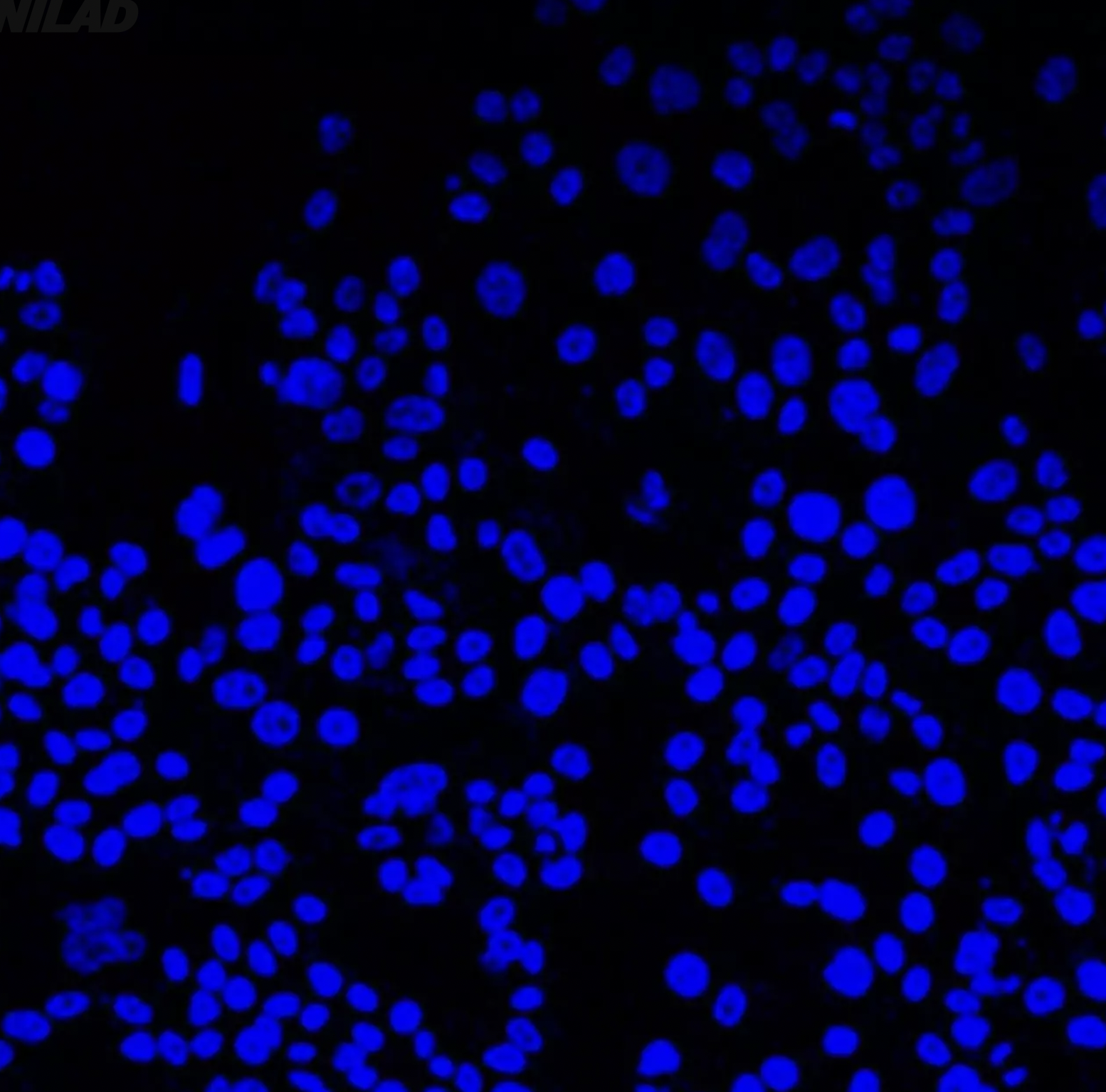
The medicine, which Professor Linda Malkas and her colleagues believe can now target a protein in all malignancies, including the tumor that caused Anna’s death, has been in development for 20 years.
Proliferating cell nuclear antigen (PCNA) was long considered too difficult to target with targeted medicines.
In its mutant state, PCNA aids malignant cells’ DNA replication and repair, which promotes the growth of tumors.
In preclinical studies, Prof. Malkas and her colleagues at the City of Hope in California—one of the largest cancer research and treatment facilities in the United States—have claimed that their targeted chemotherapy seems to ‘annihilate’ all solid tumors.
Before becoming widely utilized, the medication still has to pass stringent safety and effectiveness testing as well as extensive clinical studies.
But even though the phase I clinical trial is still underway and is anticipated to run for at least two years, the first patient began receiving the potentially cancer-curing drug in October.
The experiment is still accepting new participants.
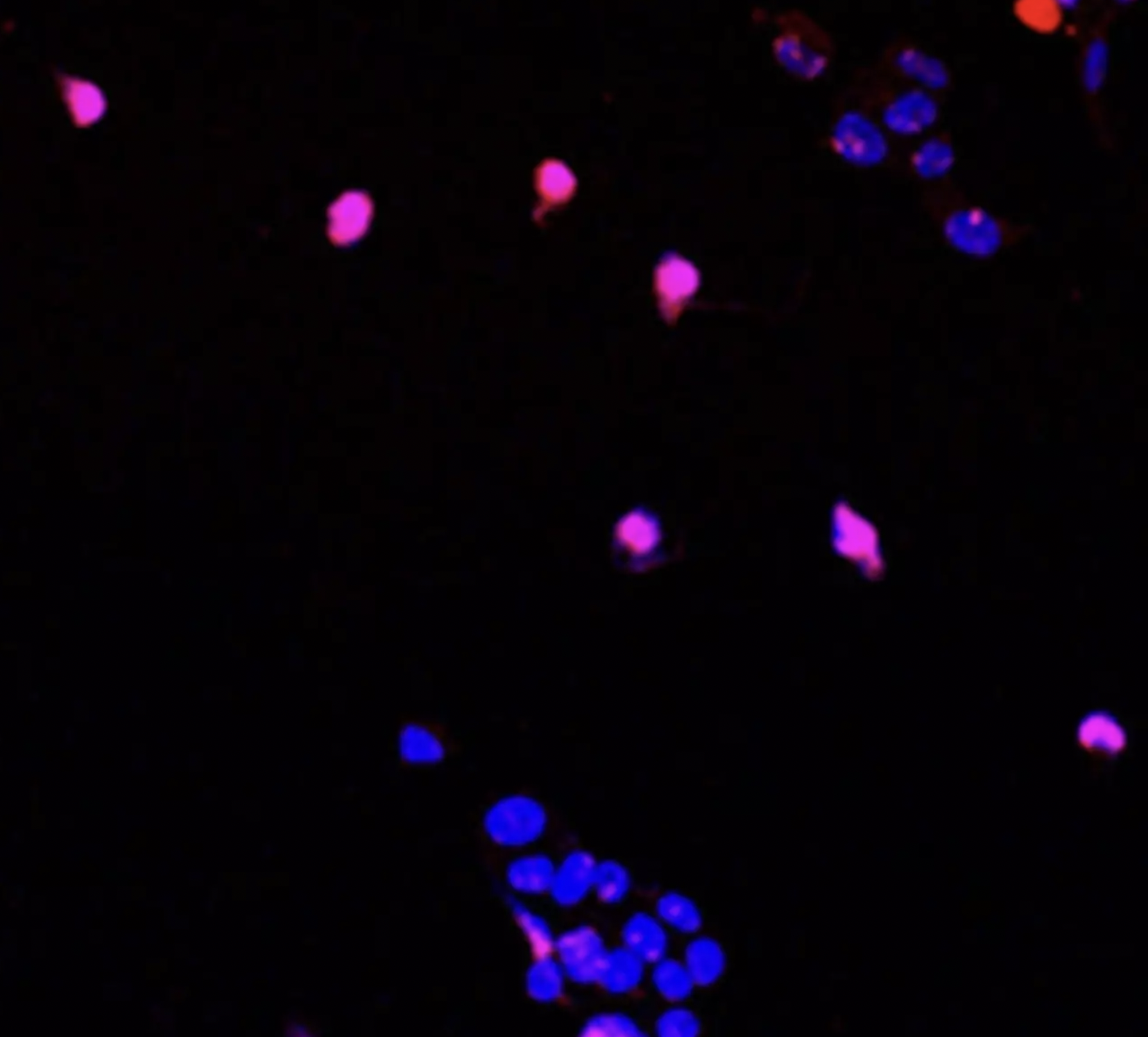
“PCNA is like a major airline terminal hub with multiple plane gates,” stated Prof. Malkas.
We were able to develop a medication that specifically targeted the kind of PCNA seen in cancer cells since data show that PCNA is distinctively changed in cancer cells.
“Our cancer-curing drug is like a snowstorm closing a major airport, stopping all flights in and out except those coming from aircraft carrying cancer cells.”
The professor referred to the findings as “promising,” but he made it clear that studies to date have only shown that AOH1996 can inhibit tumor development in animal and cell models.
“No one has ever targeted PCNA as a therapeutic because it was thought to be ‘undruggable,’ but clearly the City of Hope was able to develop an investigational medicine for a challenging protein target,” said Long Gu, the study’s lead author.
The research was published in the journal Cell Chemical Biology under the title “Small Molecule Targeting of Transcription-Replication Conflict for Selective Chemotherapy.”
We’re keeping everything crossed.