Even though they are characterized as the most terrifying predators in the water, great white sharks may be scared.
It’s something so terrible that deadly sharks would avoid their hunting areas.
And not without cause.
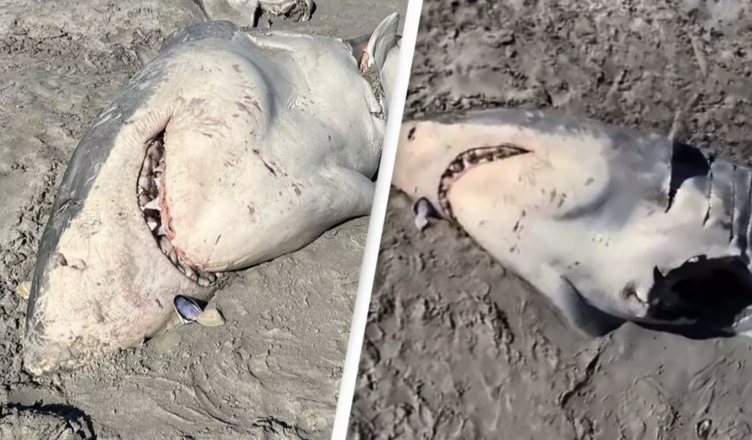
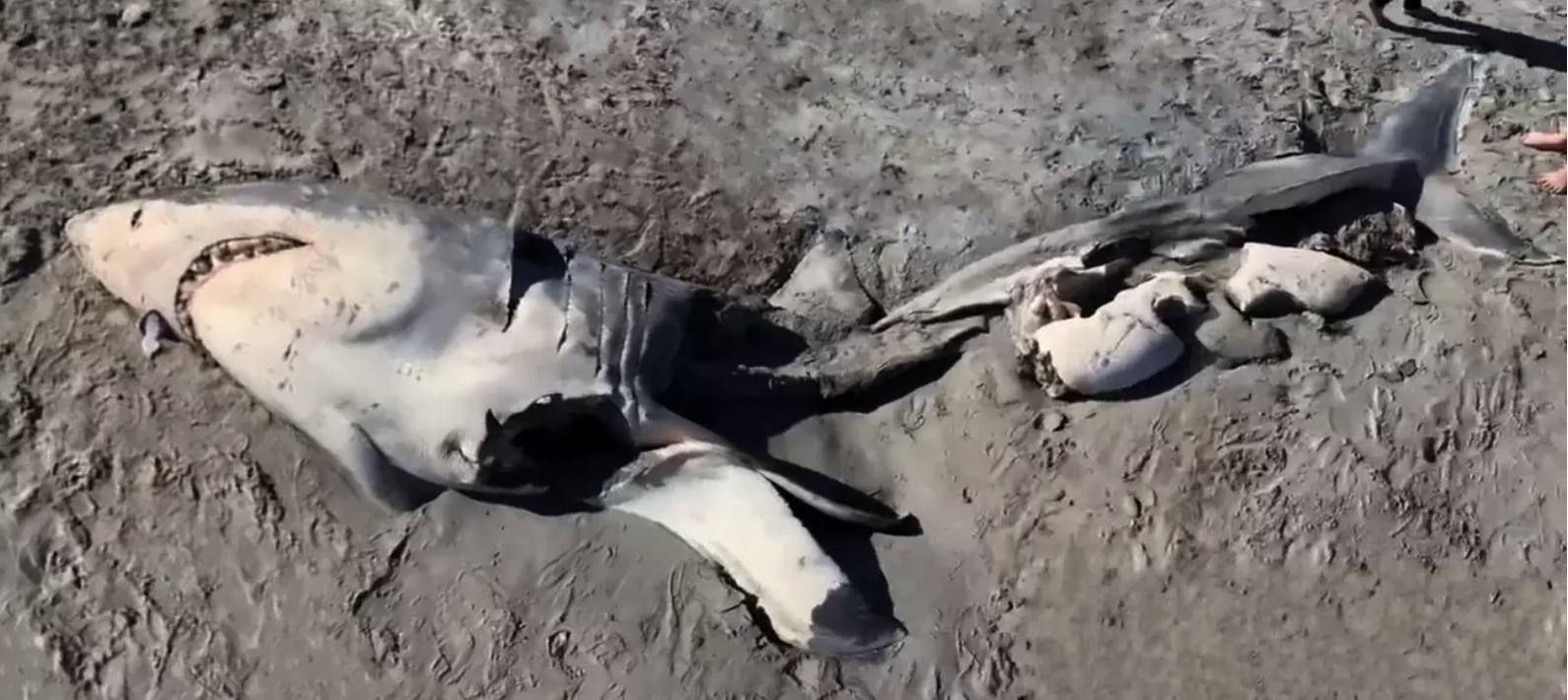
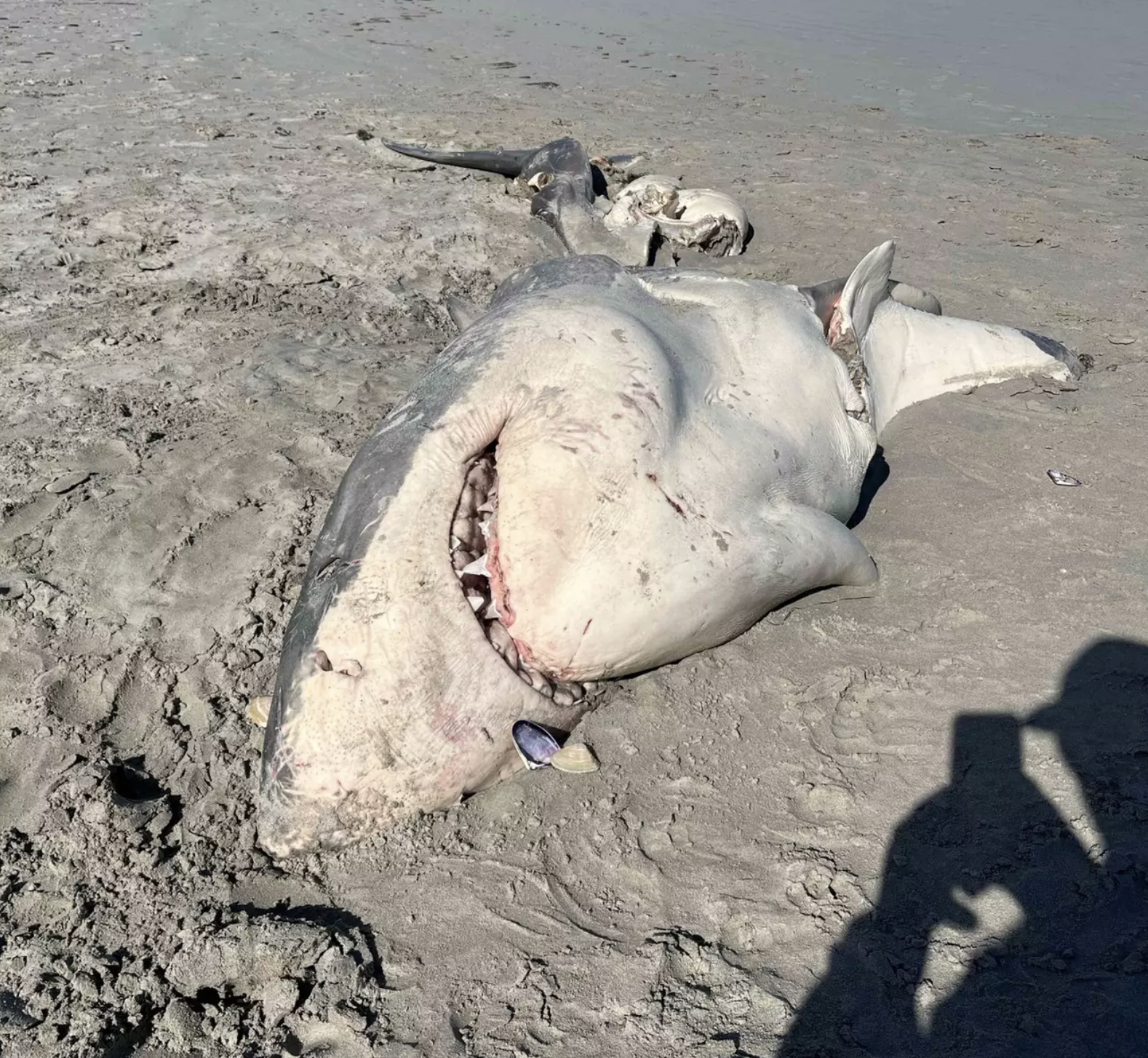
One great white shark was unable to flee and washed up on a beach in Victoria, Australia, with half of its body gone.
Images from the shore reveal that there wasn’t much left of the poor shark, which was roughly four meters long when completely whole.
But what on earth could be so violent as to inflict this on something as lethal as a great white?
The only species in the ocean with no natural predators and from which nothing from the tiny herring to the great blue whale is safe is a potential suspect.
That’s right, it’s the orcas, those monochromatic menaces.
Great white sharks are vicious, but orcas are larger and more clever, and they enjoy shark liver.
The aftermath of such an assault prompted fisherman Ben Johnstone to uncover the shark’s mutilated body on Bridgewater Beach near Cape Bridgewater on October 17.
“I’m pretty certain it was killer whales—they kill sharks just for the livers; it’s the only part of them that they eat,” Johnstone, 28, added.
“As for what happened to the rest of the body, once the orcas are done, the rest of the intestines, stomach, etcetera would’ve fallen out, as there’s nothing there to hold them in.”
According to local media accounts, a pod of orcas, which are not genuine whales but the biggest kind of dolphin, had been observed in the vicinity a few days previously.
Orcas are famously selective eaters, according to tropical ecologist Lauren Meyer, who stated, “We see this with things like humpback whales, where killer whales come in and actually eat the tongue and leave the rest of the whale.”
“We certainly see that they prefer the liver of white sharks, mako sharks, bronze whalers and sevengills, and even tiger sharks.”
“I was intrigued more than anything,” Johnstone continued.
“I found it pretty cool that something like that happened in our local waters.”
According to one idea, orcas hunt sharks by flipping them onto their backs. This causes sharks to go into a catatonic condition, when they become utterly immobile and powerless against the orca’s teeth.
Following an assault, great white sharks fled in droves, with one tagged shark diving 500 meters to evade the orcas.