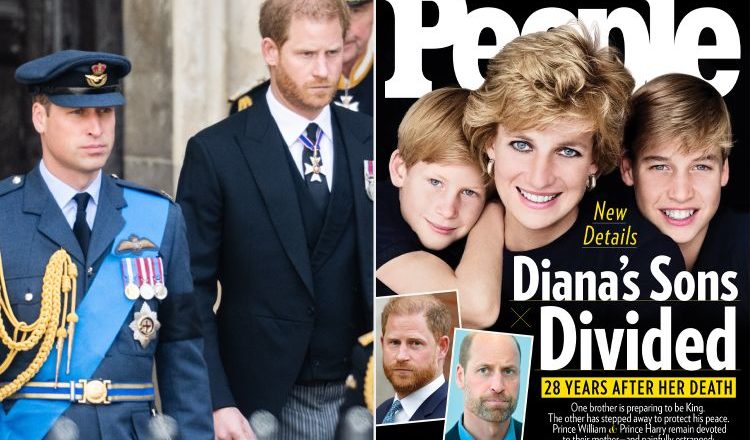
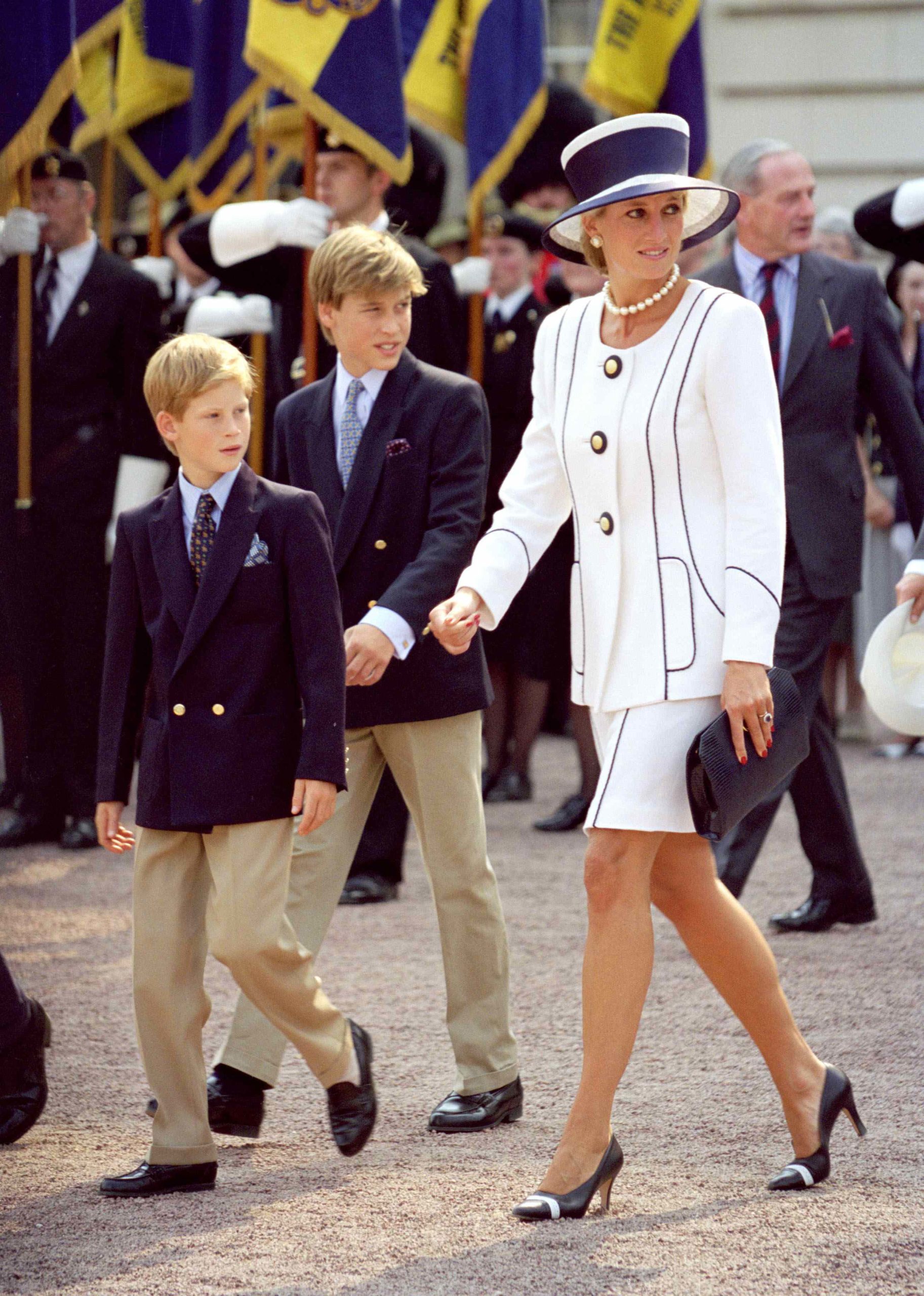
On July 16, as the 28th anniversary of his mother Princess Diana’s death approached, Prince Harry made a moving walk across a minefield in Angola, recreating Diana’s courageous steps over three decades earlier to shed attention on the hidden tragedies of war. Just weeks earlier, on July 1, what would have been their mother’s 64th birthday, Prince William paid tribute to her legacy in Sheffield, England, by commemorating the second anniversary of Homewards, his quest to alleviate homelessness, which Diana championed and introduced her boys to.
However, what was once a joint goal to commemorate their mother is now unfolding on separate roads, with little communication between them.
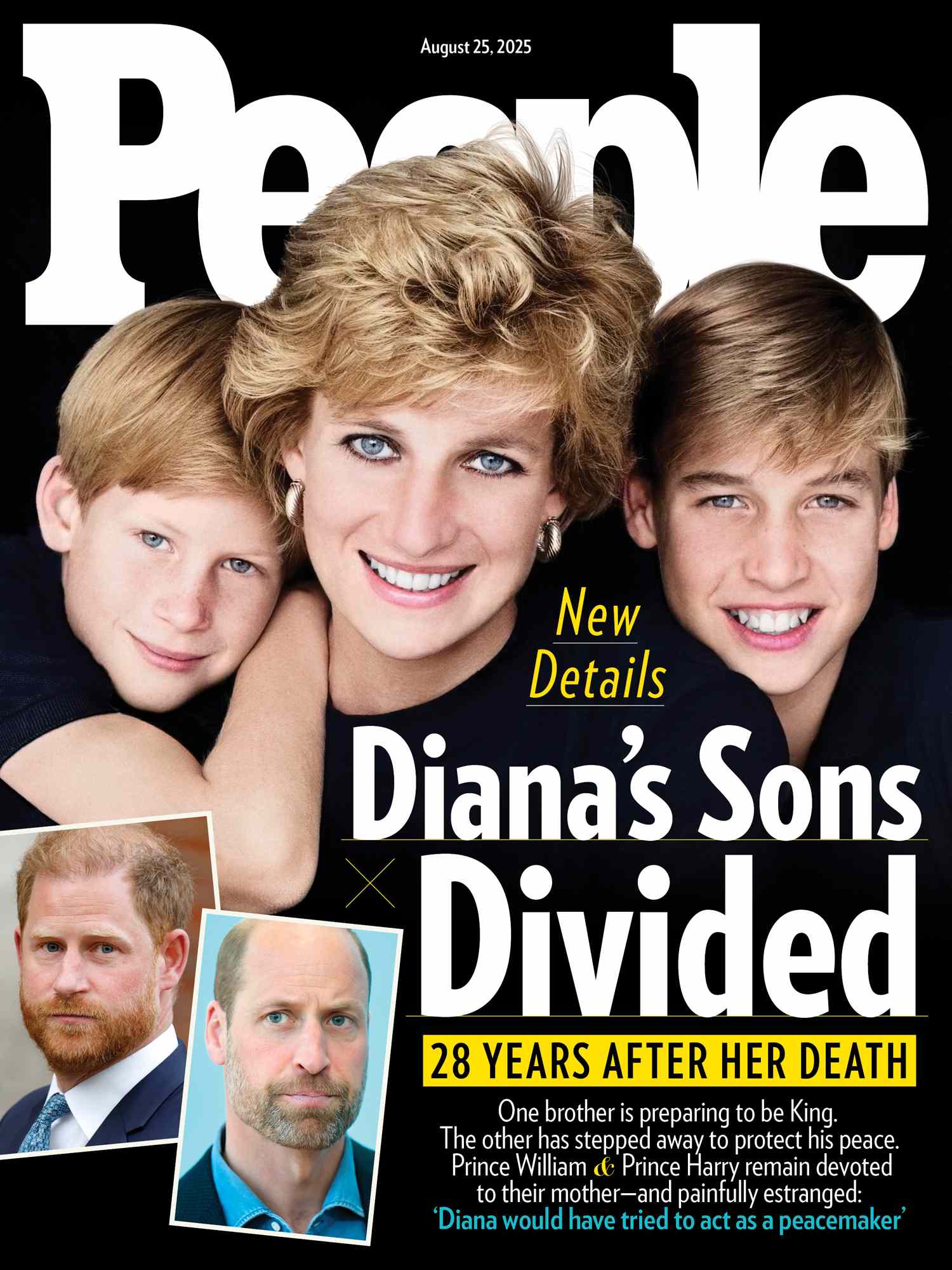
“We all remember the days when Harry and William were joking with one another, and everything seemed set for their relationship and the future—that Harry, as Diana always said, would be William’s wingman,” Diana’s biographer Andrew Morton tells PEOPLE in this week’s cover story. “It’s a great loss for the monarchy.”
The boys grew up sharing a royal life and experience that only they could understand, experiencing their parents’ sensational divorce and the awful agony of Diana’s death in a car collision in Paris on August 31, 1997, when her sons were 15 and 12. However, their perspectives have diverged.
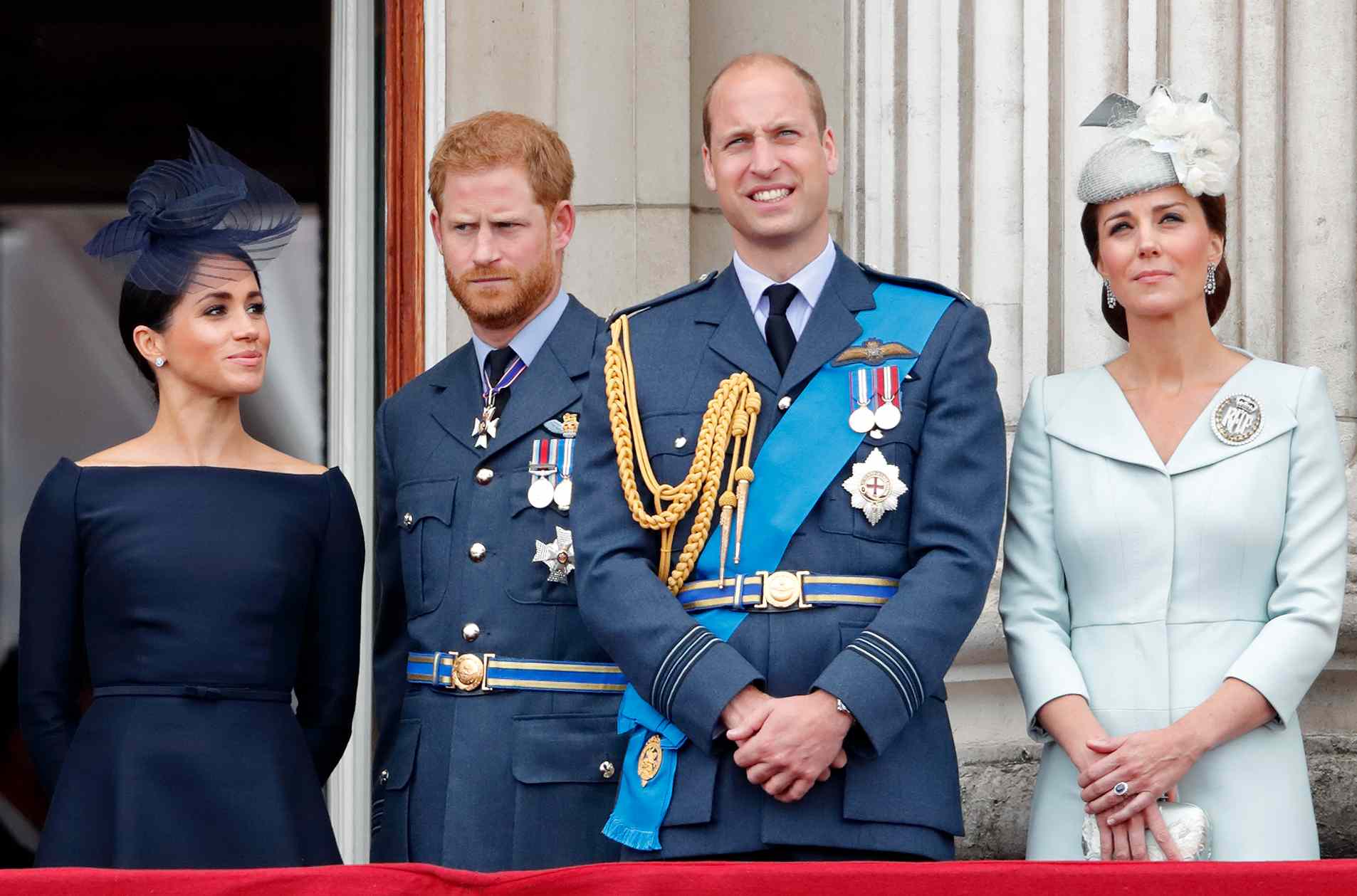
This division extends to the following generation. In Windsor, William, 43, and Kate Middleton, 43, raise Prince George, 12, Princess Charlotte, 10, and Prince Louis, 7. Across the Atlantic in Montecito, California, Harry, 40, and Meghan Markle, 44, are parenting Prince Archie, six, and Princess Lilibet, four. The cousins have not been seen together in public since 2019, before Lilibet’s birth.
Their disagreement became public in 2020, when the Duke and Duchess of Sussex relinquished their royal obligations.
“Things were said that sparked the initial rift, and it’s never healed,” recalls Morton.
In his biography Spare, Harry details a tense 2019 incident in which William scolded Meghan before physically grabbing him by the collar and knocking him to the floor. The couple’s dramatic 2021 interview with Oprah Winfrey, followed by their Netflix docuseries and Harry’s successful book, both of which delivered strong criticism of William, King Charles, 76, Kate, 43, Queen Camilla, 78, and the institution they serve, widened the gap. “Some members of my family will never forgive me,” Harry revealed in May.
While Harry has openly expressed his desire to reconcile with his family, insiders believe his calls and texts to William have gone unanswered.
According to Robert Lacey, author of Battle of Brothers, “the rift is very profound and very long-lasting.” It will not alter, in my opinion, until Harry takes action and apologizes.”
According to historian Amanda Foreman, “Everyone wants it to happen on their terms, but that’s what makes it impossible.”
Despite their differences, the royal brothers are united in one vow: to respect their mother’s memory.They are inspired by Diana, who reinvented royal life with true compassion rather than pomp. She not only made their life more normal by taking them to amusement parks and burger places, but she also took them to homeless shelters. One was London’s The Passage, whose CEO Mick Clarke stated that William’s “visits with his mom left a deep and lasting impression.”
He notes that the prince has expressed his appreciation for Diana’s “clear exposure to life beyond palace walls.” “That is something he and the princess do with their own children.” That commitment to serve has molded William’s public life. During the COVID epidemic, he conducted unannounced visits to shelters, assisting with meal preparation and even delivering food—always without cameras.
Meanwhile, Harry discovered his purpose in helping young people afflicted by the AIDS pandemic in Lesotho, Southern Africa, where he was strongly struck by the issues that disadvantaged youngsters face. In 2006, he and his friend Prince Seeiso cofounded Sentebale, a name inspired by Diana’s favorite flower in the local language, as a tribute to their deceased mothers.
Over the following 19 years, the two put “blood, sweat, tears, and their own money into building this charity up to what it was—a multimillion-pound charity that delivered nothing but good for the beneficiary community,” a friend tells PEOPLE.
After a bitter disagreement over administration at Sentebale, Harry and Seeiso have left the nonprofit and are looking for new methods to serve the underprivileged in Lesotho and Botswana.
Furthermore, Tessy Ojo, CEO of the Diana Award—the sole organization named after their mother, which they now fund independently—has observed the princes’ passion personally.
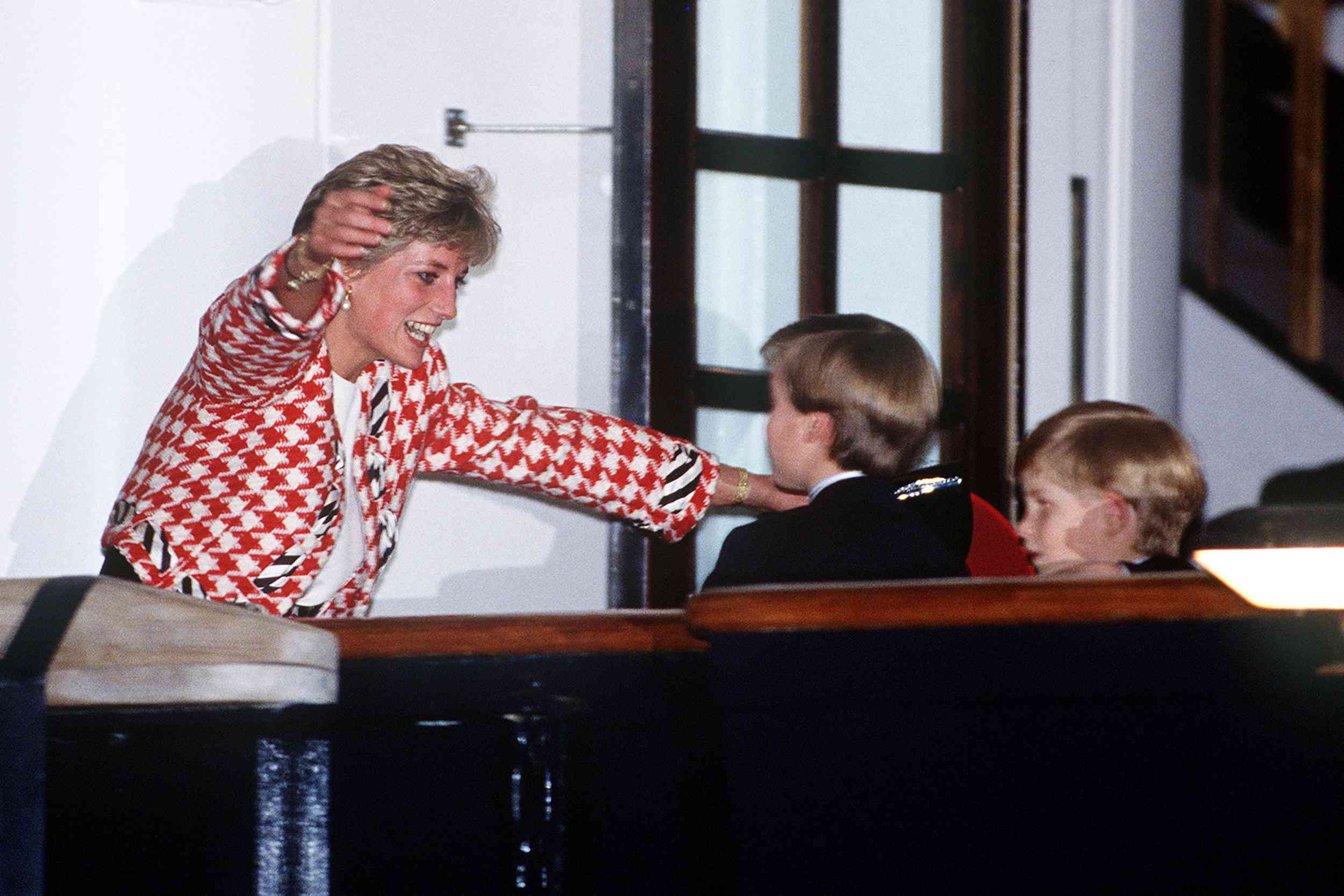
“I’ve seen how they watch young people who never met their mother articulate the impact she’s had on them,” she informs me. “There is a sense of immense pride: ‘Wow, my mother did that!'”
Despite their emotional and physical isolation, William and Harry have constructed home lives based on a shared desire to provide their children with a really authentic upbringing—”and that is pure Diana,” says Foreman.
Both brothers have remembered their mother by giving their daughters her middle name. They regularly mention her to their children, and her portrait is posted around their houses.
“The values they are instilling and discussing as families may be their best success,” Foreman suggests. “They are both very good role models as parents.”
There are glimmers of optimism for reform among the royal family. On July 9, Harry’s representatives met with King Charles’s chief of communications, suggesting the prospect of a first step toward reconciliation—at least with his father.
A face-to-face encounter might take place as early as September, when Harry is set to return to the United Kingdom to promote WellChild, a charity that helps children with life-limiting diseases. It is unclear whether such a reunion will take place. If that happens, it will be the first time father and son have met since Charles disclosed his cancer diagnosis in February 2024.
Interestingly, William’s team did not participate in these conversations. The Prince of Wales’ interests are elsewhere: supporting his wife, who is recuperating from cancer treatment, and leading his young family through key years, with a focus on his heir, 12-year-old George.
With his focus set, insiders claim William’s fury has calcified into apathy to the issue, according to a friend who spoke with The Sunday Times in June.
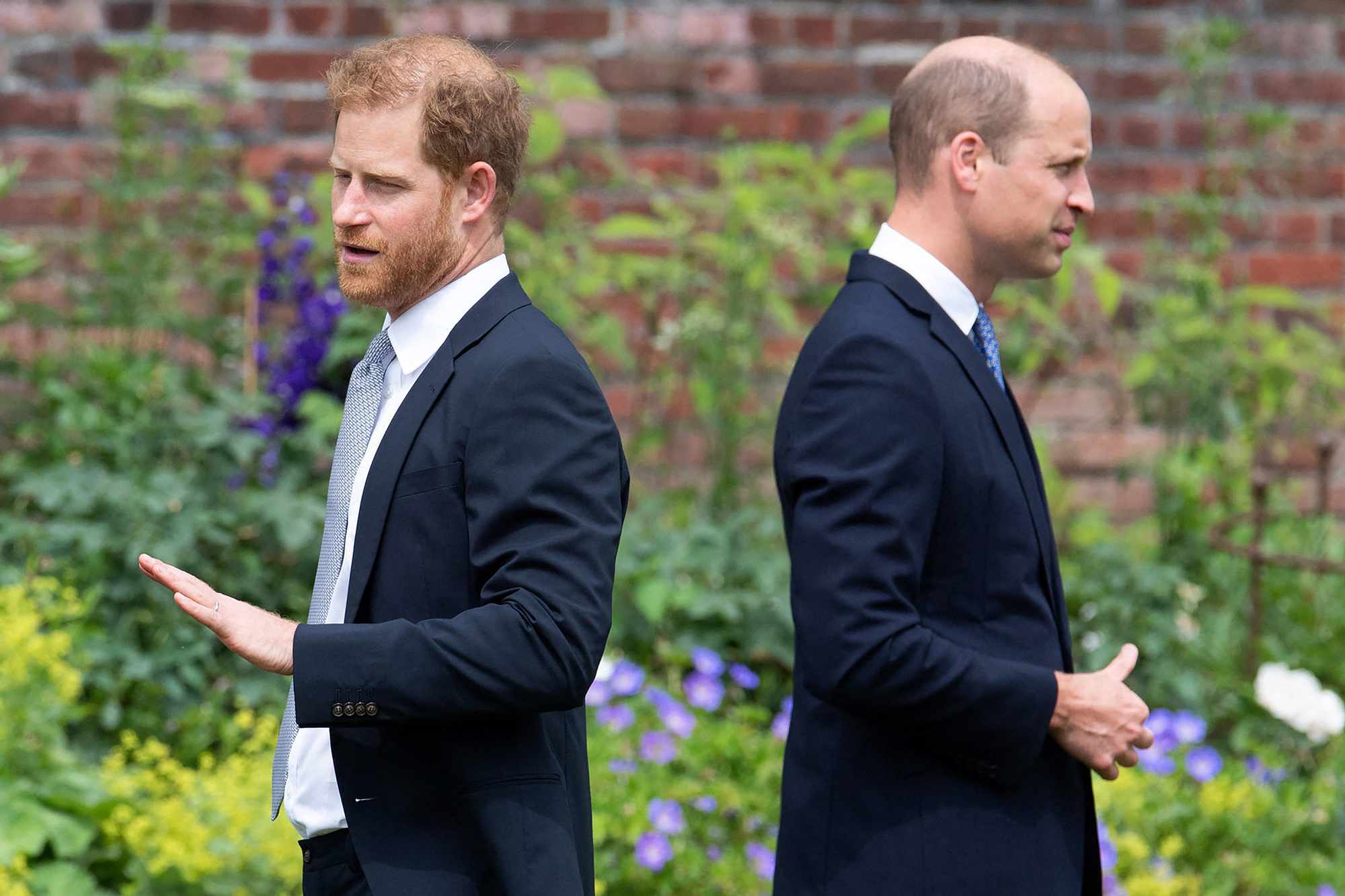
Royal writer Sally Bedell Smith interprets this as William accepting limitations: “He can control what he does in his life, but he has no control over what Harry does,” she tells PEOPLE.
According to historian Robert Lacey, “They both deeply believe that they’re fighting for profound points of principle.”
Although they are currently silent with each other, Diana’s influence continues to be a strong connection that guides their actions.
“This is the sad part—they aren’t supporting each other like they should be,” says a source close to the royal family. “That’s what any mother would want—that they are there for each other.”
Morton, whose next book, Winston and the Windsors, will be out in October, adds, “Diana always said she had two boys for a reason—the younger would be there to support the older in the lonely task of future king.” Diana would almost certainly have attempted to mediate between them. If she had been present, they would have resolved the situation differently.”